A lot of homeowners stop using the tub long before they decide to remove it. It becomes a place to step over, clean around, and work around instead of a feature that actually gets used. That is usually when people start asking whether a walk-in shower would make the bathroom function better.
In Wilmington, tub to shower conversions are often less about style and more about everyday use. Homeowners want a bathroom that feels easier to get in and out of, simpler to maintain, and better suited to the way they live now.
At Coastal Pro Remodeling, we help homeowners across Coastal North Carolina update bathrooms with practical layouts, durable materials, and clean workmanship. We serve Wilmington, Jacksonville, New Bern, and surrounding areas throughout New Hanover, Brunswick, Pender, Onslow, Craven, and Carteret counties.
Why Homeowners in Wilmington Replace a Tub With a Shower
For many people, the main issue is convenience. A standard tub can feel awkward to step into, especially in a smaller bathroom or a home where the layout already feels tight.
A walk-in shower usually makes the room feel more open and easier to use. It can also be a better fit for homeowners who want simpler access, less daily hassle, and a bathroom that feels more updated without changing the whole footprint of the room.
This kind of change can also make sense when the tub area is already showing its age. If the surround is worn, the caulk keeps failing, or the space feels dated, replacing the tub with a shower may be the smarter long-term move.
Process in Wilmington and Coastal North Carolina
A tub to shower conversion should be planned around how the bathroom is actually used. The goal is not just to swap one fixture for another. It is to make the room work better when the job is done.
Step 1
We start by looking at the current bathroom layout. That includes the size of the room, the condition of the tub area, how much space is available, and what is not working about the bathroom now.
Some homeowners want better access. Others want easier cleaning, a more open feel, or a shower that fits the room better than the old tub ever did. The right plan depends on the space and the homeowner, not just the trend.
Step 2
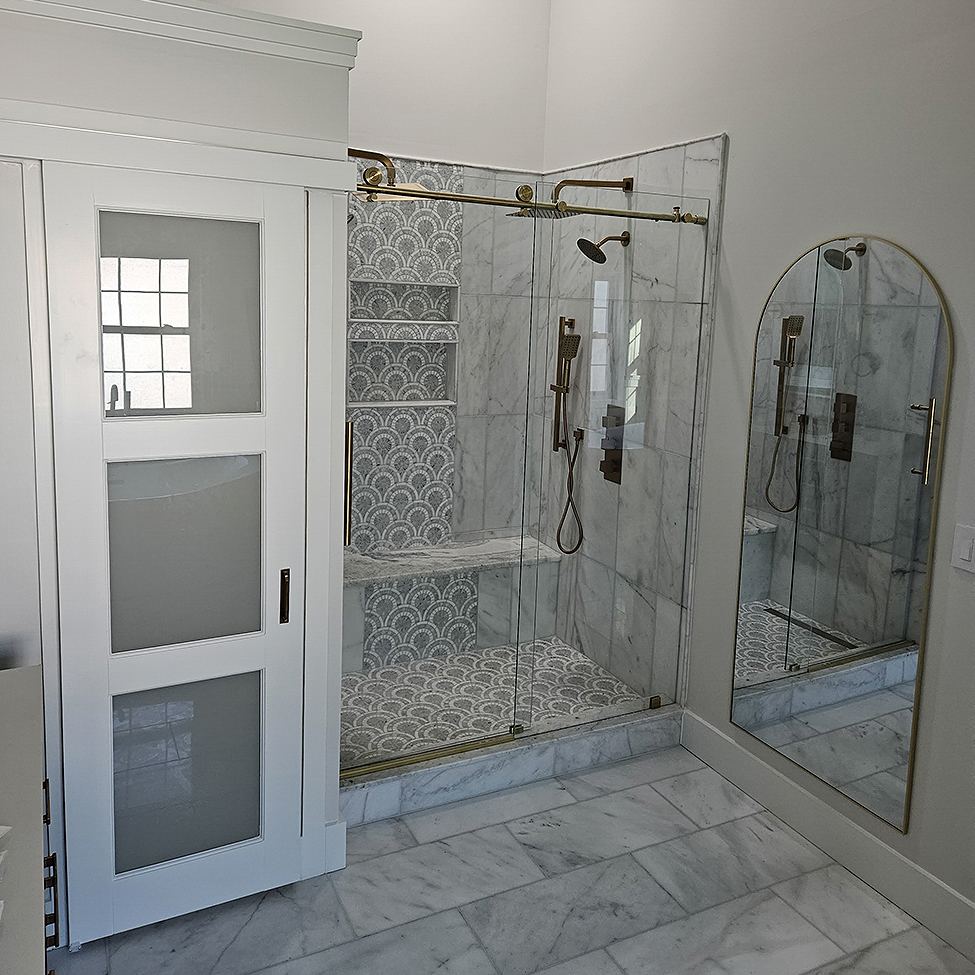
Once the layout is clear, we plan the shower around function and finish details. That includes wall materials, shower base design, glass or enclosure options, fixture placement, storage niches, and the overall flow of the bathroom.
This is where practical decisions matter. A shower should look good, but it also needs to be comfortable to use, easy to keep clean, and built with materials that make sense for a bathroom that sees daily moisture.
Step 3
When construction starts, the existing tub area is removed and the space is rebuilt for the new shower. That work may involve plumbing updates, wall prep, waterproofing, tile or surround installation, and finish work.
The important part is doing the conversion the right way from the inside out. A shower should not just look new when it is finished. It should feel solid, drain properly, and hold up over time.
Local Details That Matter in Wilmington
Wilmington homes deal with humidity for much of the year, and that is one reason bathroom materials and ventilation matter so much. A shower conversion should be built with moisture in mind, especially in older homes where the original bathroom may already have ventilation or waterproofing weaknesses.
Depending on the scope of work, permits may be needed if plumbing, electrical, or structural changes are involved. Homeowners can review local permitting information through the New Hanover County Building Safety page and check flood-related property conditions through the FEMA flood map service.
Older homes can also change the scope of the project. Once the tub area is opened up, previous repairs, moisture damage, or outdated plumbing can affect what makes the most sense for the rebuild.
What Affects the Cost of a Tub to Shower Conversion
The cost depends on more than just removing the tub. The overall scope can change based on the size of the bathroom, the condition of the existing tub area, the materials selected, and whether plumbing or surrounding finishes need to be updated.
A simple conversion is one thing. A project that includes tile work, custom glass, plumbing changes, wall repair, or flooring updates is more involved.
This is also why two bathrooms can look similar at first and still end up being very different jobs. What matters most is the condition of the room and how much work is needed behind the finished surface.
Pair This With Related Services
A tub to shower conversion is often part of a bigger bathroom plan. If the vanity is worn, the flooring is dated, or the room still has storage and layout issues, it may make sense to improve the full space instead of only changing the wet area.
Some homeowners start by reviewing our bathroom remodeling services to see how a full bathroom update could come together. Others look through our home remodeling services to get a better sense of the broader work we handle across Coastal North Carolina.
If another part of the home also needs attention, our kitchen remodeling services may be worth exploring while you plan ahead. You can also learn more about our team and approach on our about us page.
Safety, Licensing, and Cleanup
A tub to shower conversion should be handled like real construction work, not a surface-level swap. The waterproofing, prep, plumbing details, and finish work all matter if you want the new shower to perform well over time.
That is why homeowners should care about more than the finished look. They should care about how the work is planned, how the site is managed, and whether the room is being rebuilt in a way that actually solves problems instead of covering them up.
At Coastal Pro Remodeling, we focus on clean workmanship, clear communication, and bathrooms that feel solid and finished when the job is complete.
FAQ About Tub to Shower Conversion in Wilmington NC
Is replacing a tub with a shower a good idea?
For many homeowners, yes. If the tub rarely gets used and the bathroom would function better with a walk-in shower, the conversion can be a practical upgrade.
Will a walk-in shower make a small bathroom feel bigger?
In many cases, it can. A walk-in shower often opens up the room visually and can make the layout feel less cramped than a traditional tub setup.
Can a tub to shower conversion work in an older home?
Yes, but older homes sometimes come with plumbing, moisture, or wall-condition issues that need to be addressed once the tub area is opened up.
Do I need a permit to replace a tub with a shower in Wilmington?
It depends on the scope of work. If the conversion includes plumbing, electrical, or structural changes, permit requirements may apply through the local jurisdiction.
Is a tub to shower conversion only about looks?
No. For most homeowners, it is really about function. A walk-in shower can improve access, simplify cleaning, and make the bathroom easier to use every day.
If your tub is taking up space without adding much value to the way you use the room, a shower conversion may be the better fit. The best place to start is by looking at the layout, the condition of the bathroom, and what would make the space work better long term. Reach out through our contact page and request a quote from Coastal Pro Remodeling today.